


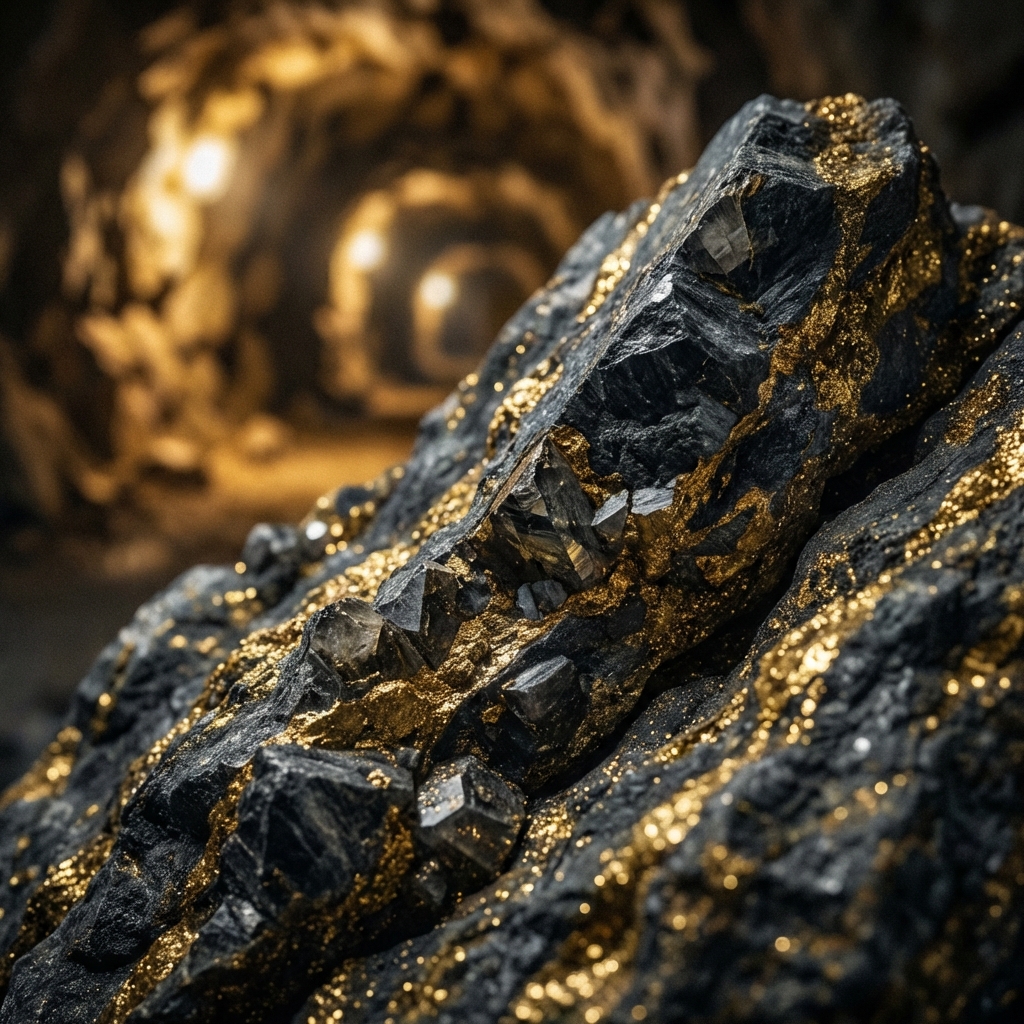
We present the main categories of minerals and their relevance for both industry and the natural environment. Their knowledge is essential not only for geology, but also for strategic sectors such as construction, electronics, energy and health.
Minerals are natural inorganic substances, with a defined chemical composition and crystalline structure. This catalog presents a detailed classification into four large groups: metallic, non-metallic, energetic and crystalline. Each group is distinguished by unique characteristics, specific applications and a fundamental role in global economic and technological development.
We offer high-quality mineral solutions for international markets, with rigorous technical specifications and a comprehensive coding system that simplifies global marketing.
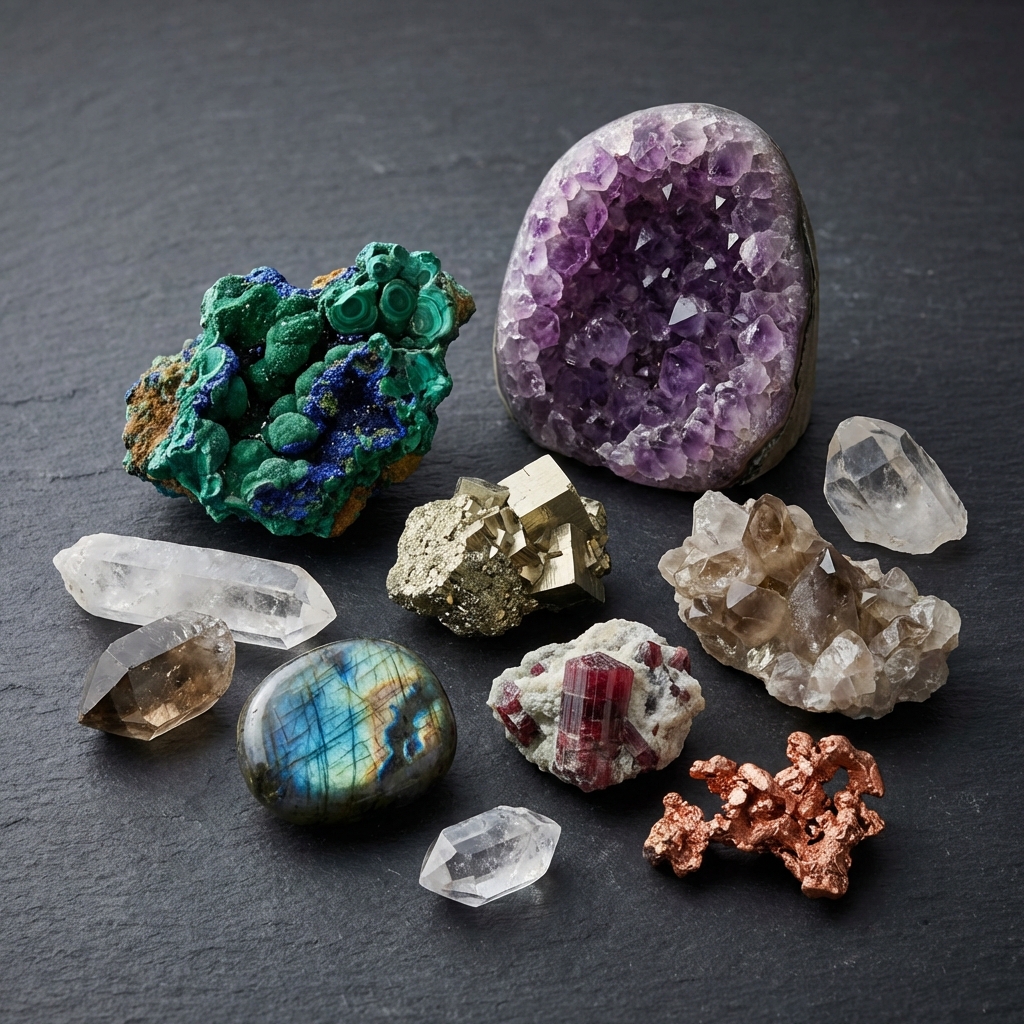
Minerals without typical metallic properties, but essential for various industries, including fertilizers, construction, chemistry and energy processes.
Minerals used for energy generation, designed to offer high calorific value, efficiency and reliability in domestic and industrial applications.

Don't hesitate to get in touch with us if you want to collaborate or just want to chat.